Structure and Properties
HTD1801, a first-in-class new molecular entity (NME), is an ionic salt of berberine and ursodeoxycholic acid that was engineered to exert the biological activities of its active components.

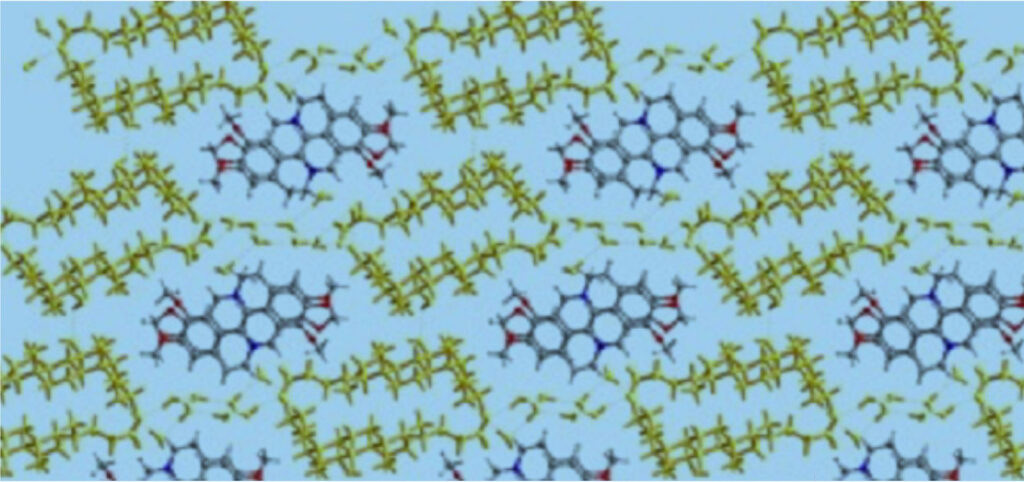
HTD1801, a first-in-class new molecular entity (NME), is an ionic salt of berberine and ursodeoxycholic acid that was engineered to exert the biological activities of its active components.
HTD1801 is a potentially first-in-class orally delivered anti-inflammatory metabolic modulator being developed for the treatment of cardiovascular-kidney-metabolic (CKM) diseases.
Our lead compound, HTD1801, exerts its biological activity through the AMPK–NLRP3 axis and enables systemic improvement of metabolic function.
These two key mechanistic pathways have been associated with improvements in glucose metabolism, insulin resistance, lipid metabolism, hepatic inflammation, and gut microbiome. This unique dual mechanism has the potential to address CKM at its root, providing a comprehensive treatment approach for the multifaceted nature of complex metabolic diseases, and delivering comprehensive benefits to patients with CKM.
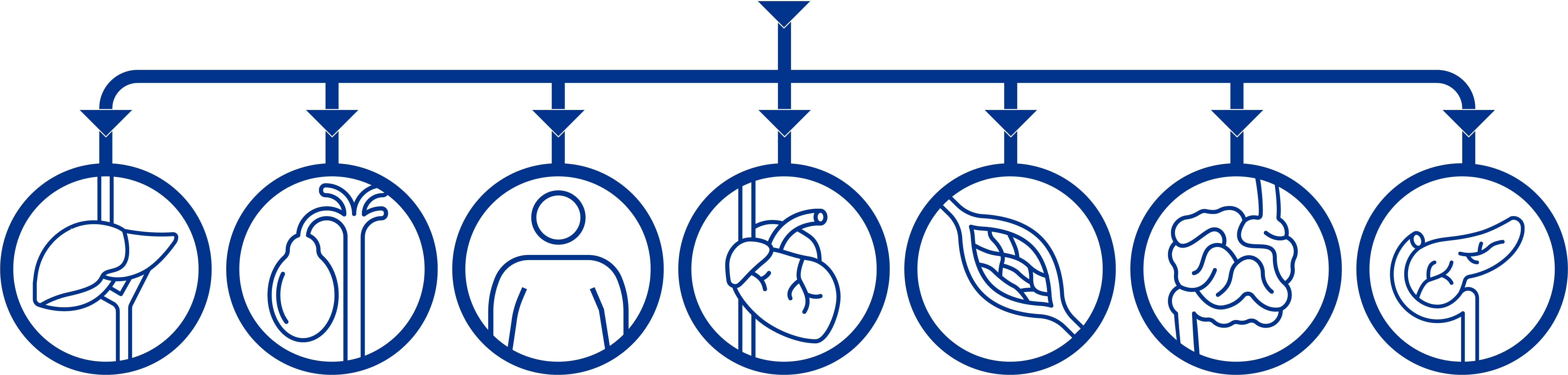
Inflammation
Steatosis
Fibrosis
Cholestasis
Cholangitis
Body Weight
Inflammation
Atherogenic Lipids
Oxidative Stress
Glucose Clearance
Harmful Microbiota
Beneficial Microbiota
Insulin Resistance
Glycemic Control
Our priority in the clinic is advancing our lead candidate HTD1801 in cardiovascular-kidney-metabolic (CKM) diseases.
Multiple clinical trials in patients with T2DM, MASH, and PSC have been completed or are ongoing to evaluate the effects of HTD1801 on glycemic control, lipid parameters (including reductions in atherogenic lipoproteins such as Lp(a) and ApoB), renal benefits, body weight reduction, liver-specific benefits (including reduction in ALT/AST levels, liver fat content, and fibrosis biomarkers), and systemic inflammatory markers (including hs-CRP).