Type 2 Diabetes Mellitus (T2DM)
A metabolic disease that is straining healthcare systems worldwide at epidemic proportions.
According to the latest data released by the International Diabetes Federation (IDF) in 2025, 589 million adults (20-79 years) were living with diabetes in 2024. This number continues to rise and is predicted to reach 853 million by 2050, placing a heavy burden on patients, families and healthcare systems across the globe.1
T2DM is a complex, multifactorial disease requiring more treatment options.
T2DM is caused primarily by defective insulin secretion by pancreatic β-cells and the inability of insulin-sensitive tissues to respond appropriately leading to a disruption in glucose homeostasis.
Despite the many treatment advancements in recent years, only half of the people living with T2DM are meeting goals for lowering their blood glucose levels. When their disease is not managed properly, it often leads to serious complications, including kidney disease, nerve damage, heart attack and stroke.
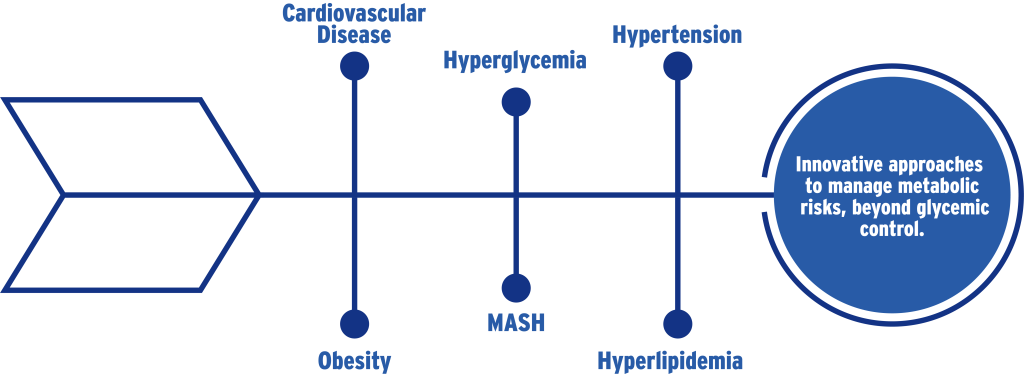
Further, T2DM commonly coexists with other metabolic abnormalities such as hypertension, hyperlipidemia, obesity, and MASH that can exacerbate T2DM and lead to a worse prognosis with increased risk for mortality and cardiovascular outcomes.2,3